
Corrinne Hasson
Executive Director of National Women’s Council
According to the WHO, 1 in every 10 women worldwide has endometriosis. In Ireland, we don’t have official data on how many people suffer from endometriosis, which is unfortunately a common theme for women’s health.
However, patient-led groups have shared that around 300,000 women in Ireland have the disease, and 30,000 are complex cases.
Defining endometriosis and concerns around endometriosis care
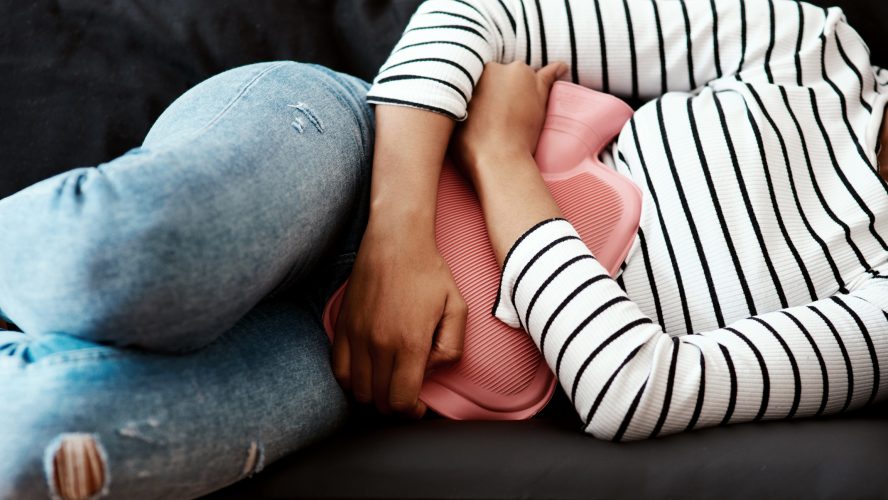
Endometriosis is a chronic disease in which tissue similar to the one covering the uterus grows outside it, causing inflammation and scar tissue to form in the pelvic region and sometimes in other parts of the body. It’s universally agreed by those who have it to be extremely painful.
One of the biggest concerns is the lack of access to timely diagnosis and appropriate treatment. The average wait time for a diagnosis is nine years.
Last October, the National Women’s Council welcomed the launch of the National Framework for the Management of Endometriosis in Ireland. This framework, long overdue, represents a commitment from the HSE to improve the quality of, and access to, endometriosis care in Ireland. It highlights critical issues such as access to GPs, overall training of health personnel and access to specialised care and treatment. Surgery is considered to be the gold standard for treatment.
We’ve also welcomed the Endometriosis Surgery Abroad Interim Scheme (ESAIS), while recognising that women should never have to go abroad for healthcare. Migrant women, women in low-paid or insecure work and those without access to childcare or flexible leave face significant barriers to accessing healthcare abroad.
The average wait time for a diagnosis is nine years.
How to address endometriosis care
So what needs to happen? As part of the Department of Health’s Endometriosis Priority Actions Advisory Group (EPAAG), we are advocating a three-pronged approach.
Training and screening strategies must be in place to ensure timely diagnosis. It’s too often the case that women’s healthcare needs are dismissed. We see the same with other chronic conditions.
Surgery must become widely available and accessible in Ireland.
Chronic pain clinics can significantly improve the quality of life of people with endometriosis. But first, women’s reports of chronic pain must be taken seriously.
