Health News

Clare O’Brien
Counselling Director, Irish Family Planning Association (IFPA)
Managing menopause can be challenging for anyone; it’s a significant life event that everyone will experience differently, but a cancer diagnosis can complicate things further.
In recent years, menopause has undergone an encouraging process of destigmatisation and has become a cornerstone of women’s health media coverage. Alongside the introduction of key government initiatives, like the Free Hormone Replacement Therapy (HRT) Scheme, information and support options are more accessible than ever.
For many women who experience symptoms, the support of a doctor and the use of medications like HRT can greatly improve quality of life. For others, the symptom management journey is less straightforward.
What makes complex menopause ‘complex?’
While menopause is generally associated with well-known physical and emotional symptoms, complex menopause largely refers to cases where symptom management is made increasingly difficult by the unsuitability of HRT medications.
Based on a review of your medical history, a doctor will be able to advise if HRT is a recommended treatment. A family or personal medical history of blood clots, cardiovascular issues or estrogen-sensitive breast, ovarian or endometrial cancer might rule it out.
Some may be facing early menopause following surgical intervention,
which can bring on feelings of grief and loss.
Managing menopause after cancer diagnosis
Many clients who attend complex menopause counselling at the IFPA are referred to our service following a cancer diagnosis. Often, clients wish to develop coping strategies as non-medication alternatives for symptom management. Some may be facing early menopause following surgical intervention, which can bring on feelings of grief and loss.
However, whatever the reason for seeking counselling support for complex menopause, there are countless ways specialists can help.
Specialist counselling for complex menopause
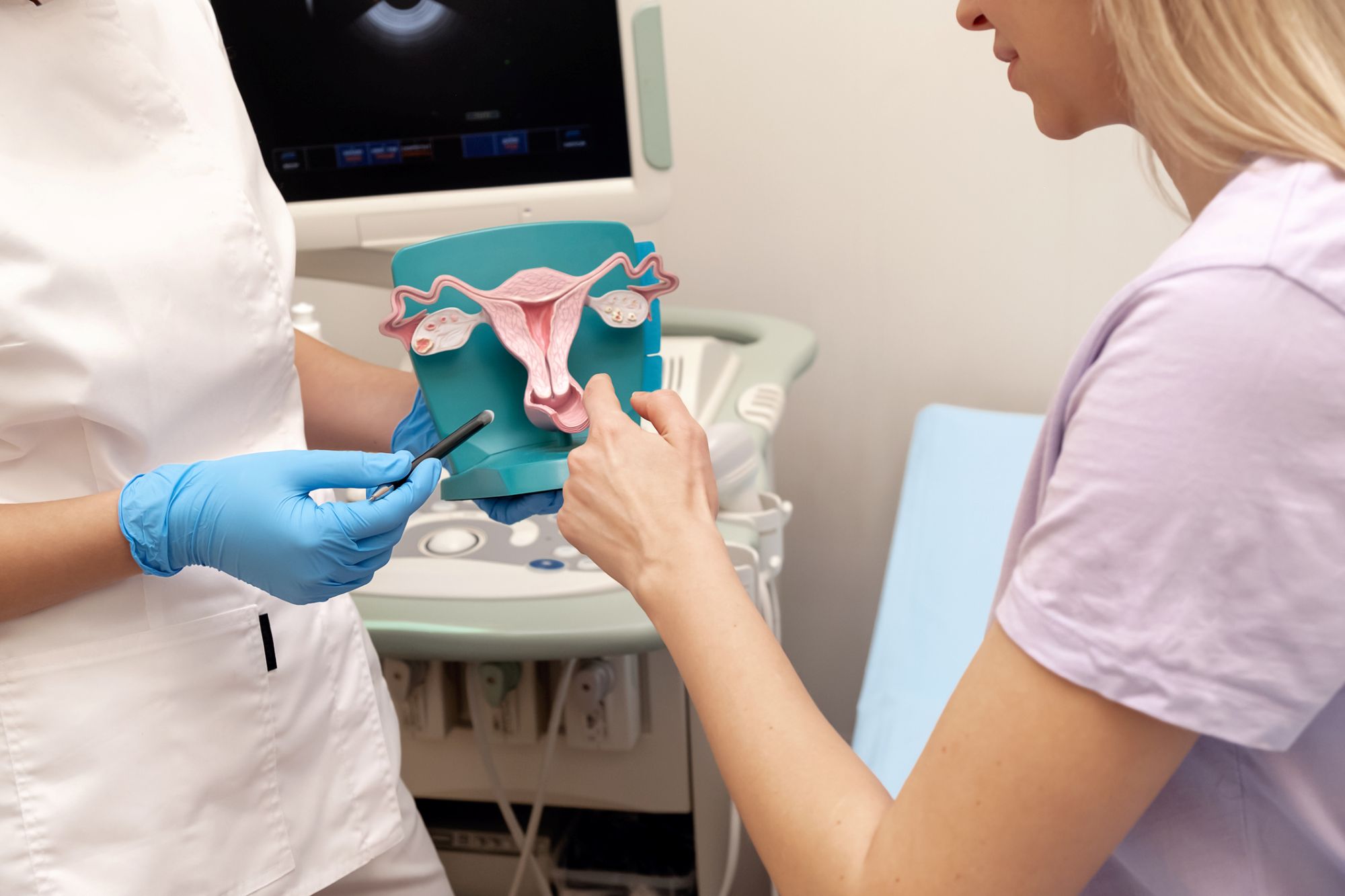
Talking to an expert can help. By taking a holistic view of how your experience of menopause impacts different areas of your life, complex menopause counselling aims to support your overall wellbeing during this transition.
Cognitive behavioural therapy (CBT) is especially effective. It can help reframe how we think and feel about our lives and bodies in the context of menopause. Building practical strategies to manage lifestyle, emotional and relationship changes can make it easier to deal with daily symptoms and support a smoother menopause journey.