Harry Friel
Patient in Cardiology Trial
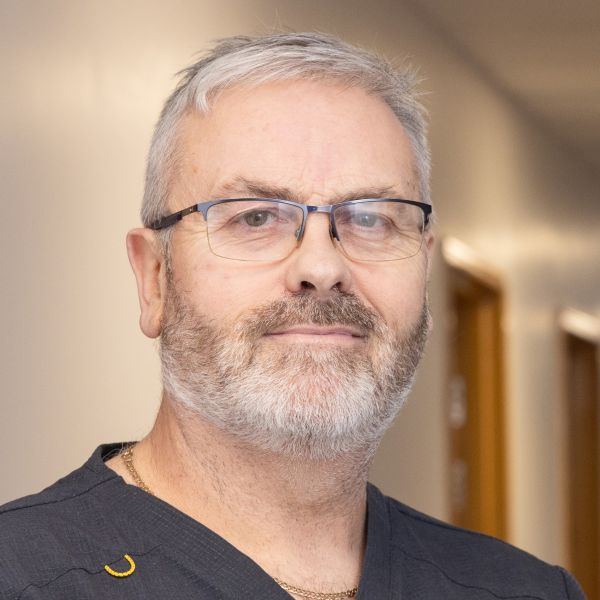
David Mccarthy
Patient in Metabolic Trial
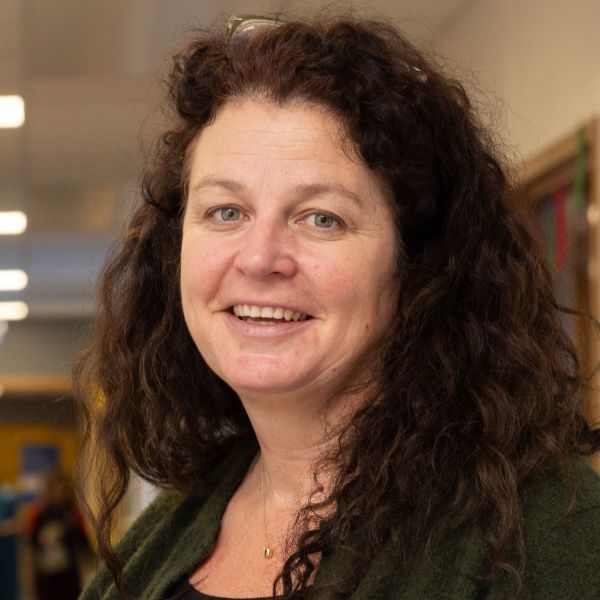
Kate Coyle
Parent of Patient in a Duchenne Muscular Dystrophy Phase 1 clinical trial
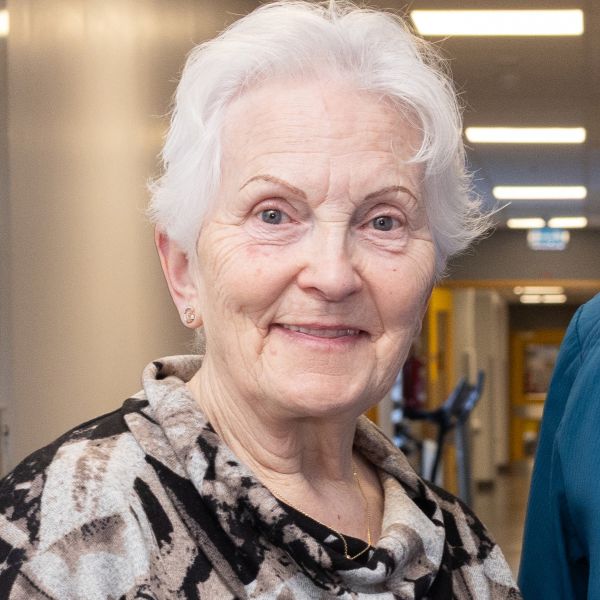
Martina Nolan
Patient in Phase 3 Clinical Trial relating to Polymyalgia Rheumatica
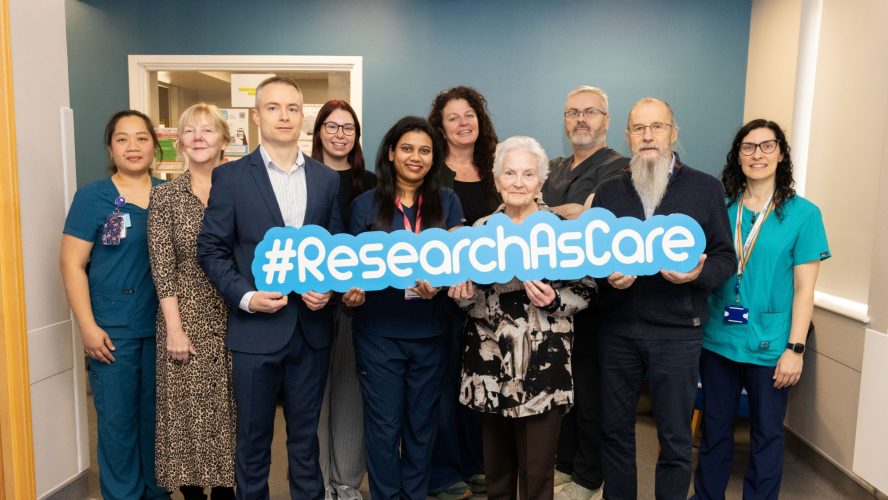
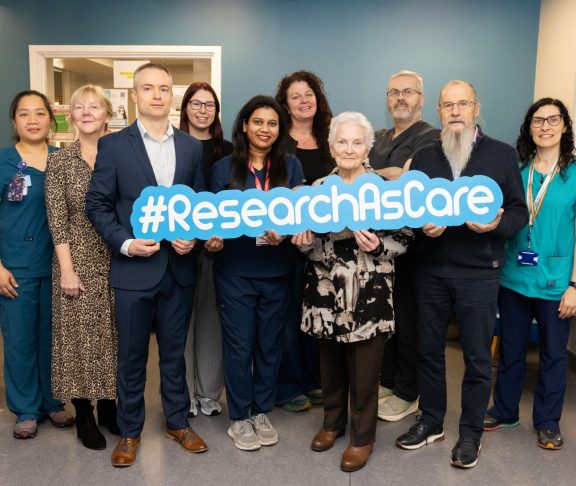
Clinical Research Facility showcases the real-world impact of clinical trial involvement, with patient case studies spanning neurology, cardiology and metabolic disorders.
For many, clinical trials are something you hear about from a distance, but for some, it’s an everyday reality. The Wellcome HRB Clinical Research Facility at St James’s Hospital, a state-of-the-art research facility in Ireland, hopes to highlight the real-world impact of clinical trials on everyday people.
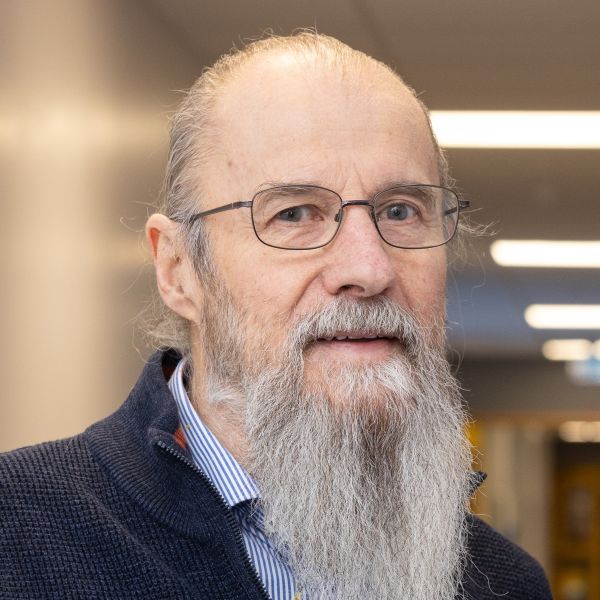
“There’s something really comforting about the consistency you get when you participate in a clinical trial,” explains Harry Freed, currently involved in a trial targeting cardiac amyloidosis, a hereditary condition that also affected his brother. “My brother also participated in clinical trials and believed deeply in contributing to new knowledge — that perspective stayed with me.”
My brother also participated in clinical trials and believed deeply in contributing to new knowledge — that perspective stayed with me.
Real-world outcomes
Clinical trials represent the difference between the standard of care and therapeutic innovation, often looking at the current therapeutic landscape through a new lens to discover new treatments. While not knowing whether you’re on a placebo or an active drug can be unsettling, tangible clinical outcomes and drug approvals can help address these concerns.
“Because my condition is so common, I expected treatments to be available,” explains Martina Norman, who has been involved in a Polymyalgia Rheumatica (PMR) clinical trial for the last 18 months. “I recently saw a new drug announced for my condition, and it made me feel proud. Being part of research that helps get these drugs approved is incredibly rewarding.”
Dave McCarthy, who has worked in St James Hospital for many years, has seen a range of life-changing and measurable clinical outcomes from his involvement in an obesity drug treatment trial. Losing four stone through the trial has significantly improved his BMI, cholesterol and blood pressure. “This trial has genuinely given me my life back; I am healthier and more energised than I’ve ever been.”
For some, clinical trials mean the difference between life and death. With no curative treatments currently available for Muscular Dystrophy, Catherine, mother of 13-year-old patient Ingus, views clinical trial involvement as an act of remarkable courage, paving the way for the discovery of new treatments. “The level of care is definitely higher within a research facility, likely because clinical trials are run to specific standards and procedures,” she explains. “There are so many people working hard behind the scenes to make these trials possible, and everyone who participates in a clinical trial is very courageous, giving up their time and data for the benefit of others facing the same illness.”
“Our family owes a huge debt of gratitude to St James’s for having the vision and courage to repeatedly seek the funding needed to bring its facilities to the highest standard. Their commitment has helped make it possible for organisations and pharmaceutical partners to invest in Ireland, and, most importantly, to invest in the people of Ireland.”
