

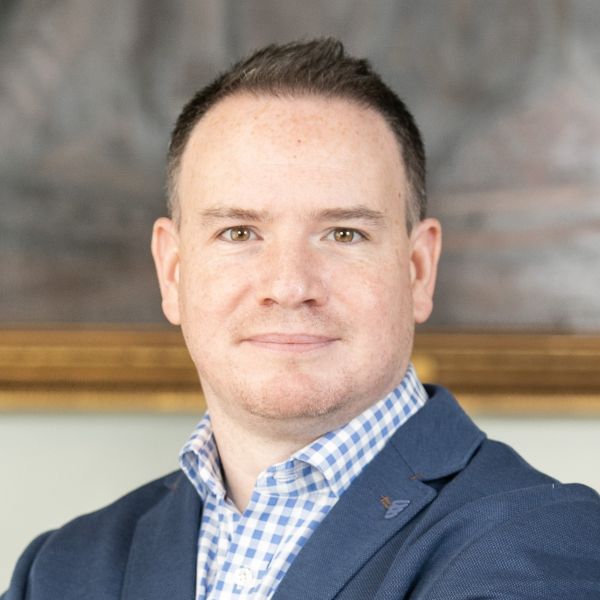
Prof. Michael E. Kelly
Chair / Professor of Surgery, Trinity College Dublin / Trinity St James’s Cancer Institute (TSJCI)
Cancer care depends on drug clinical trials, but also on surgery, radiotherapy and survivorship trials. These studies are crucial but face unique challenges in Ireland.
While people often associate clinical trials with new medicines, research in Ireland also focuses on surgery, radiotherapy, nursing and lifestyle interventions. These studies are equally important in shaping cancer care and improving patients’ quality of life.
Why non-drug trials matter
As surgical co-chair of the Gastrointestinal Disease-Specific Subgroup of Cancer Trials Ireland, I see the critical role of investigator-led studies in addressing questions that drug trials cannot. We’re developing a Phase III multicentre randomised controlled trial for resectable T3 rectal cancer, comparing two approaches: standard long-course chemoradiotherapy and total neoadjuvant therapy pre-surgery. Key outcomes include complete response, organ preservation (avoiding pelvic surgery and possible stoma formation), disease-free survival and overall survival. It’ll also use serial measurements of circulating tumour DNA to assess minimal residual disease. Although proposed, it’s not yet open due to funding and start-up challenges.
Ireland is also involved in international surgical research that can advance cancer care. The MelMarT study examines whether narrower versus wider excision margins in melanoma surgery can safely remove cancer while reducing wound complications. The TAXIS study evaluates de-escalating axillary surgery in node-positive breast cancer by combining targeted lymph node removal with radiotherapy to lower risks of lymph node dissection while maintaining regional control.
sustainable capacity for non-drug research demands targeted investment, protected clinician time and cross-disciplinary collaboration.
Our challenges
Non-drug trials are often harder to establish. They require institutional backing because surgical and lifestyle interventions are complex to standardise and measure, and often depend on limited public or charitable funding. Staffing shortages, especially in research nursing and radiotherapy, also restrict capacity, with radiotherapy facing a major workforce gap. This year’s Cancer Trials Ireland Cancer Retreat highlighted that sustainable capacity for non-drug research demands targeted investment, protected clinician time and cross-disciplinary collaboration. Figures from the Retreat showed that Denmark, a similar-sized country, has about 75 registered nurse-led cancer trials, while Ireland has around seven.
Non-drug trials create opportunities to evaluate safer surgical options, enhanced recovery and better long-term outcomes, including survivorship. With adequate support, Ireland can build on its collaborative tradition and ensure that research in surgery, radiotherapy and survivorship flourishes alongside drug development.
