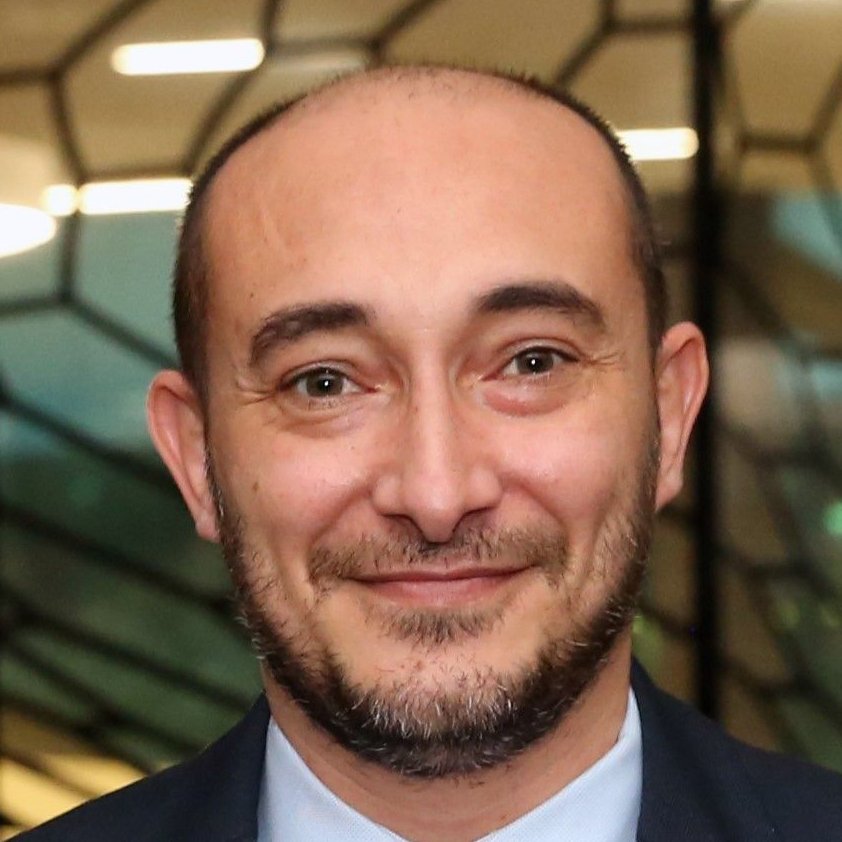
Dr Mehdi Snene
Head of AI and Digital Program, UN
AI is beginning to address one of healthcare’s most persistent structural weaknesses: fragmentation across the clinical care continuum.
Instead of operating in isolation, diagnostic procedures, therapeutic decisions, operational workflows and longitudinal patient management are increasingly becoming connected through AI-enabled systems.This shift moves care from episodic, siloed interventions toward a coordinated, data-informed continuum.
Linking diagnosis with treatment
At the diagnostic front, AI has strengthened precision and efficiency. Multimodal foundation models trained on imaging, laboratory results, genomic data and unstructured clinical text can synthesise heterogeneous inputs with pattern recognition, enabling earlier and more accurate disease detection. Radiology models can identify early pulmonary nodules or subtle cardiac anomalies, and large-scale language models can extract meaningful insights from notes and pathology reports. The impact extends beyond improved detection to the immediate clinical actions that follow.
AI-supported clinical decision systems increasingly link diagnostic findings to therapeutic pathways. When an imaging model flags a suspicious lesion, integrated platforms can retrieve longitudinal records, estimate risk trajectories and propose evidence-based treatments aligned with clinical guidelines. Oncology ecosystems like Tempus already combine real-world evidence, molecular profiling and treatment outcomes to generate individualised recommendations. This helps transition from reactive care to anticipatory, precision-oriented planning.
AI is not simply improving tasks — it’s supplying the connective architecture
enabling healthcare delivery to function as an integrated, adaptive system.
Improved operational efficiency
Operational efficiency, often least visible in the care delivery ecosystem, is also improving through AI. Predictive analytics for patient flow, bed availability and staffing have reduced emergency department congestion and improved resource allocation. Generative systems that automate documentation, triage communications and administrative workflows reduce clinician workload and cognitive strain, allowing expertise to be focused where it adds the greatest value.
The continuum extends beyond acute care into continuous monitoring and population-level management. AI-enhanced wearables and remote monitoring platforms can identify physiological or behavioural pattern deviations, enabling earlier intervention in conditions like heart failure exacerbations or depressive relapses. Integrating these into medical records sharpens risk-stratification models and strengthens personalised care plans, creating feedback loops that continuously refine decisions.
AI is not simply improving tasks — it’s supplying the connective architecture enabling healthcare delivery to function as an integrated, adaptive system. This systemic coherence has long been an aspiration. With rigorous governance, clear accountability and clinical oversight, it can become the new standard for healthcare delivery.
