

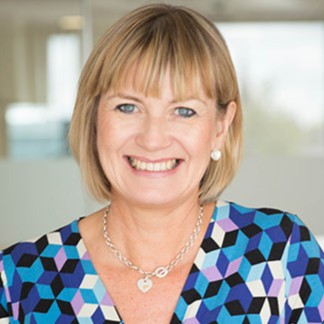
Professor Donna Fitzsimons
Professor of Nursing, Queens University Belfast, Co-Clinical Lead, NICRN
Belfast and Cork are part of the European Cities@Heart study to improve awareness and prevention of cardiovascular disease.
Cardiovascular disease (CVD) is the biggest killer in the European Union. Often thought to mainly affect men, CVD actually kills more women than men, and more people overall than all types of cancer combined. Across the island of Ireland, nearly 14,000 people die each year from CVD, and it is most common in deprived urban communities.
There are effective ways to prevent and treat CVD — provided people realise that they are at risk of developing it. That’s where raising awareness comes in; Belfast will lead this part of the project, working within local communities to help people better understand and measure their risk factors. Cork will lead on prevention and using technology to help citizens reduce risk factors such as high blood pressure, high cholesterol, obesity and diabetes. We have good treatments available for these problems, but many people are not prescribed or adhering to these evidence-based therapies.
Cities@Heart
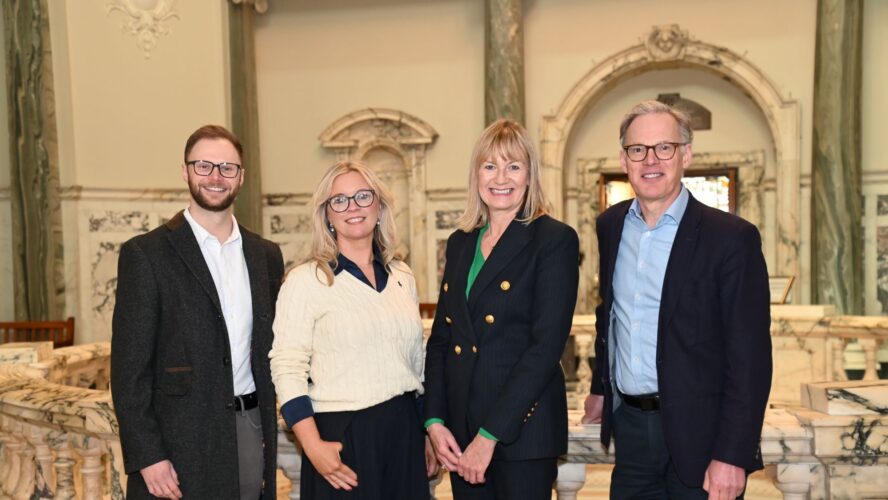
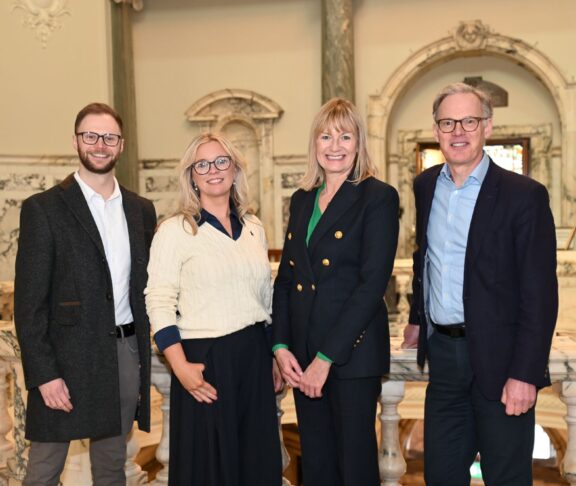
Cities@Heart is a European-wide research study that aims to tackle cardiovascular inequities through collaboration between academics, industry partners and local authorities within the World Health Organisation (WHO) Healthy Cities network across seven European cities. The project is led by Professor Donna Fitzsimons at Queen’s University Belfast in partnership with John Tully, Belfast City Council, and Professor Peter Kearney at University College Cork and Cork City Council. The study is funded by the EU Horizon Europe programme through the Innovative Health Initiative (IHI). This consortium brings together researchers and industry partners — particularly medical technology companies — enabling the co-creation of digital innovations to help improve CVD awareness, prevention detection and management in local communities.
There are effective ways to prevent and treat CVD — provided people realise that they are at risk of developing it.
The technology connection
Today, almost everyone has a mobile phone, making it one of the easiest ways to reach and connect with people regarding their health. Mobile apps and other digital solutions enable us to track our physical activity, remind us to take prescribed medication for conditions like high blood pressure, and support healthier lifestyles that reduce the risk of CVD.
Working with the community
We will work with people in local communities, via the WHO Healthy City coordinators Jacqueline O’Hagan (Belfast) and Denise Cahill (Cork), to co-design solutions that improve the awareness, prevention, detection and management of CVD. This will include young, healthy people, as well as those with risk factors like high blood pressure, and people already living with CVD. If you live in Cork or Belfast, expect to hear more about Cities@Heart over the next five years — enabling better heart health for all of us.
The Cities@Heart project is supported by the Innovative Health Initiative Joint Undertaking, its members and its contributing partners under grant agreement No 101132946
Contact us for more details on how to become involved in research and find out what we do. Office@[email protected]
