

Sarah Early
Cardiothoracic surgeon, St James’s Hospital and the Mater Private Network.
Consultant cardiothoracic surgeon talks about the importance of shared decision-making in treating aortic stenosis.
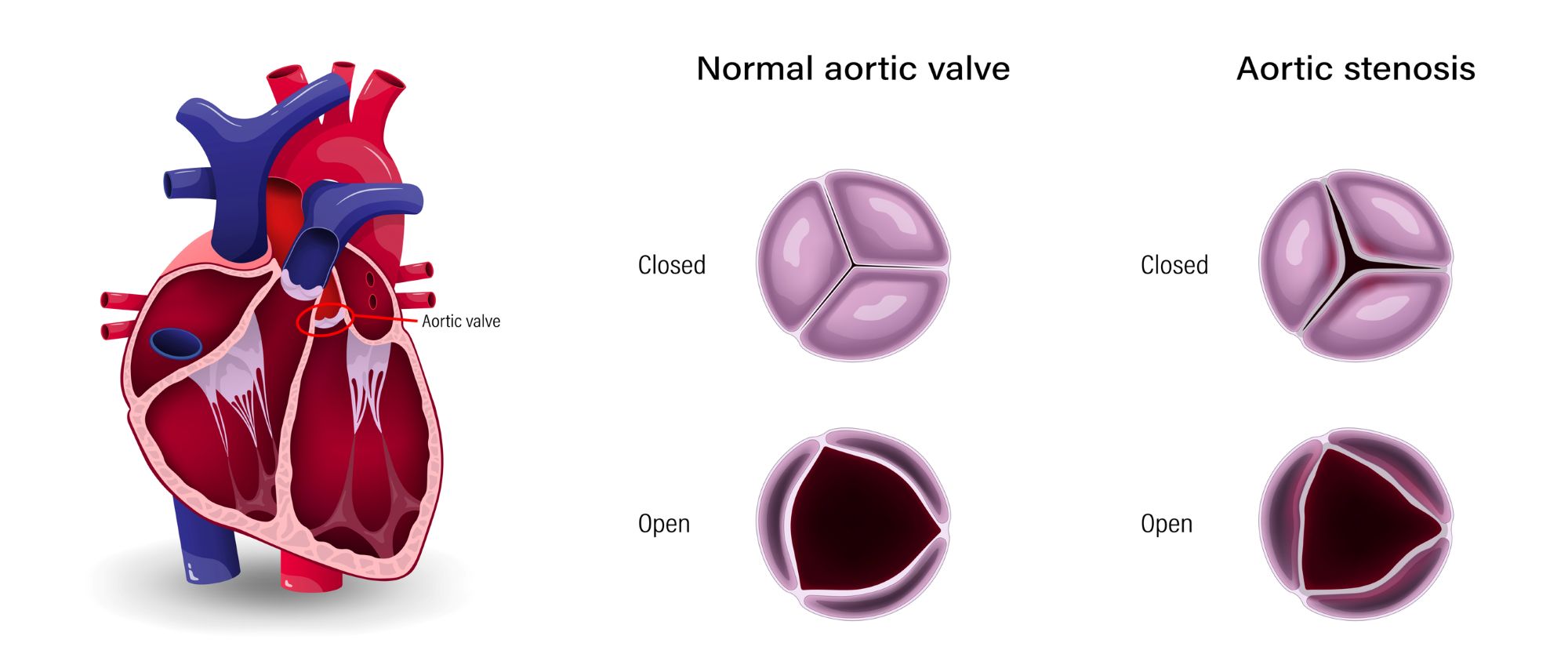
Aortic stenosis (AS) is a serious heart disease characterised by the narrowing of the aortic valve, restricting blood flow around the body.
By the time symptoms appear, the disease is often already at an advanced stage, making timely intervention key to improving patient outcomes. Sarah Early, Consultant Cardiothoracic Surgeon at St James Hospital and the Mater Private Network, educates on the importance of early recognition and assessment. “Classic symptoms of aortic stenosis include shortness of breath, chest pain and collapse,” explains Early. “Proactive stethoscope assessment through your primary care provider can catch murmurs early, enabling referral for echocardiography and close monitoring before symptoms develop and there’s any decline in cardiac function.”
Innovations in the AS treatment landscape
In the past, the only treatment for severe aortic stenosis was surgical aortic valve replacement. However, Early explains that approximately 30% of patients were turned down for surgery due to patient co-morbidities or frailty. To bridge this gap, innovations like transcatheter aortic valve implantation (TAVI) have been developed, with ongoing clinical data suggesting potential value for a broader group of patients.
Aortic stenosis (AS) is a serious heart disease characterised by the narrowing of the aortic valve, restricting blood flow around the body.
Informed and collaborative decision making
Treatment doesn’t follow a one-size-fits-all approach, and the choice between surgical valve replacement and TAVI depends on age, surgical risk, anatomy, clinical assessment and patient preference. Early highlights the need for patients to recognise the long-term implications of both treatments, as the durability of the valves can differ, and some may require replacement over time.
Recent guidelines reinforce the central role of shared decision-making in aortic valve disease between patients and clinicians. This highlights the need for timely, patient-centered discussions around both treatment timing and therapeutic choice. Severe aortic stenosis is a progressive condition that may be symptomatic or remain clinically silent, making structured evaluation and ongoing follow-up essential.
“Not every valve or procedure issuitable for every patient,” she continues. “While less invasive approaches like TAVI can be used effectively in patients in their seventies, who maybe aren’t very active or have a higher surgical risk, the jury is out on its suitability in fitter or younger patients, as valve durability may be an issue. The decision regarding the best intervention for aortic stenosis needs to be carefully considered by both the heart team and the patient.”
