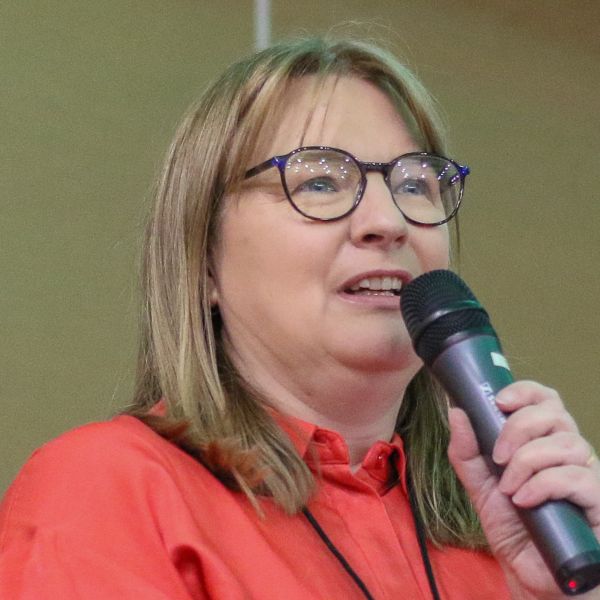
Gráinne Flynn
Thriveabetes Co-Founder & Event Organiser
Type 1 diabetes is often misunderstood. Food matters, but it’s only one of more than 40 factors that affect blood glucose every day.
With diabetes, many people assume glucose levels are only affected by food, but factors like exercise, stress, illness, hormones and sleep play a role. For decades, my brain had to do the work of my pancreas, and turns out it’s terrible at that job.
I was diagnosed with type 1 diabetes in 1993. Over the last 32 years, the technology and knowledge around diabetes have changed dramatically, but the core goal remains the same: keeping glucose levels in a safe range. Too low, starves my brain of fuel, and it shuts down. Too high, puts my long-term health at risk.
Mental burden of diabetes
For many years, I managed diabetes using multiple daily injections. When I ate, I had to go through a mental checklist to figure out how much insulin to take: how many carbohydrates, whether my glucose level needed correction and what activities I planned to do over the next 2-4 hours. After injecting, I had to watch closely to see if I got it right, which was mentally exhausting.
peer support is a life vest, reminding me I’m not alone
Technology helps, but isn’t a cure
While insulin pumps and continuous glucose monitors eased some of that burden and improved my management, the workload remained heavy. Everything changed when I moved to a hybrid closed-loop insulin pump. These systems link my glucose sensor, pump and an algorithm that automatically adjusts insulin delivery without my input. For the first time, there were hours in my day when I didn’t think about diabetes.
However, my pump system doesn’t solve everything. There are days when life is unpredictable and diabetes just doesn’t play nice. On these days, peer support is a life vest, reminding me I’m not alone. Our support communities and shared lived experience often provide practical solutions or just someone to listen.
This is why Thriveabetes, taking place on April 18 in Dublin, matters so much. It brings people living with Type 1 diabetes together to share knowledge, experience and connection.
