Health News


Dr Tanya Mulcahy
Director Health Innovation Hub Ireland, University College Cork.
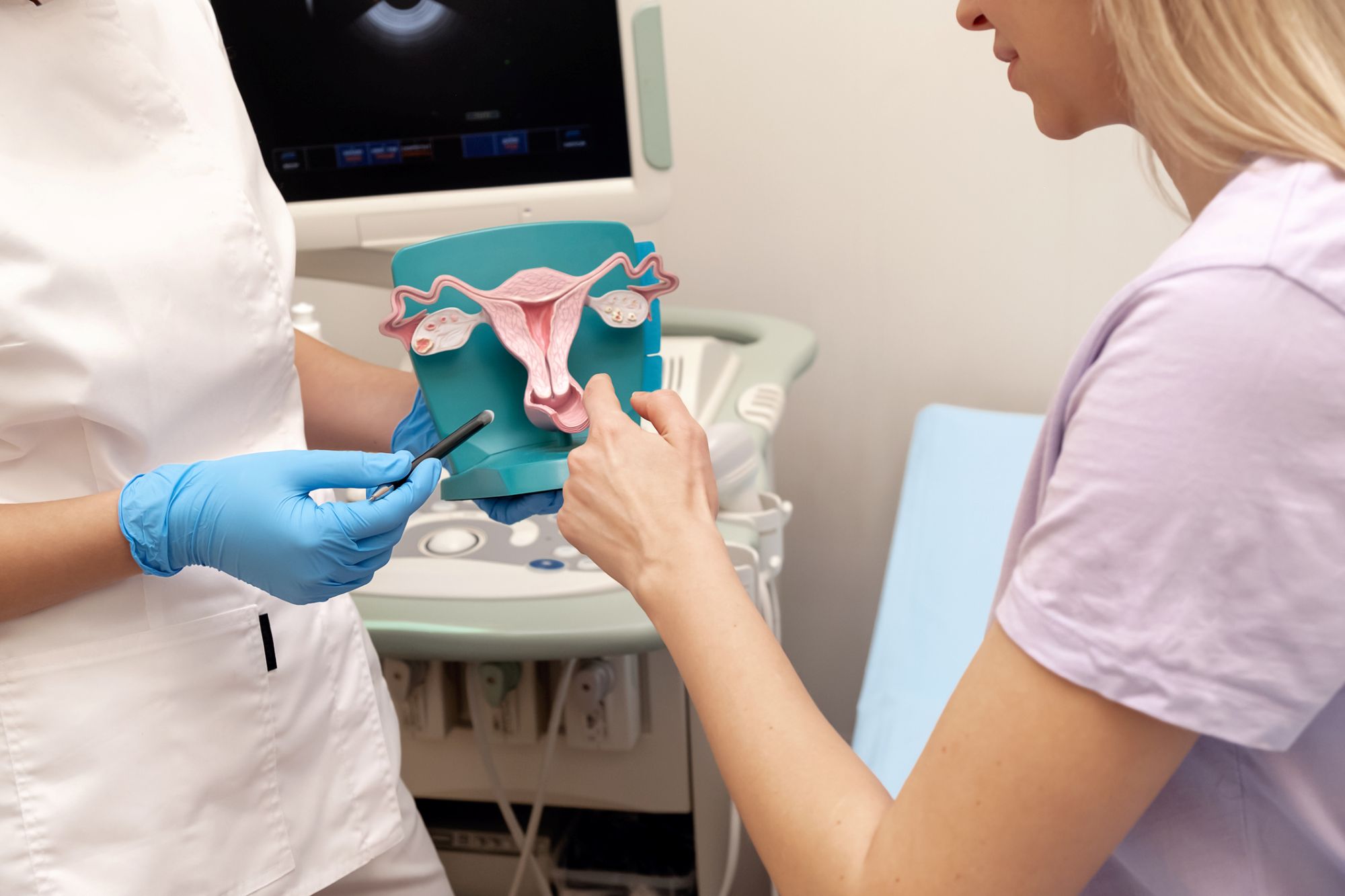
When women’s health research is limited, so too are the diagnostic pathways, therapeutic options and interventions available.
A cartoon by Etta Hulme reads: “We have studies of fruit flies, mice, hamsters, frogs, monkeys and men with this condition, but medical research using women as subjects just never occurred to anybody.”
It’s funny, but captures a serious truth. Women’s health historically receives less than 10% of the global health research budget. This lack of research in women is a reason why innovation in women’s health has lagged for decades.
How women’s health landscape is changing
Greater recognition of women’s social, economic and familial impact, combined with a more informed and vocal population, open public discourse, social media and enabling technologies, has driven demand for better solutions. There’s growing acknowledgement that the status quo is inadequate. As a result, a global Femtech revolution is underway, and Ireland is actively participating.
In 2022, we established Femtech @ Health Innovation Hub Ireland to catalyse innovation in women’s health. We’ve supported nearly 40 Irish femtech start-ups and emerging companies, many backed by Enterprise Ireland. They’re developing high-quality, award-winning products that address clear and persistent gaps in care, including Peri, Coroflo and pHetalSafe.
Women’s health historically receives less than 10% of the global health research budget.
Positioning Ireland as a global leader in femtech innovation
In 2025, we published the ‘Femtech in Ireland Report,’ outlining both the challenges and significant opportunity for Ireland to lead internationally in femtech innovation. The foundations are already in place: a strong start-up ecosystem, world-class university research, a healthcare system in need of scalable innovation, established leadership in medical device development and an increasingly engaged and vocal female population identifying priority needs. The recent announcement of €2 million in funding for women’s health research by the Minister for Health is a starting point. However, if Ireland is to compete globally, incremental funding won’t be sufficient. We must build a coordinated femtech engine, with focused investment, infrastructure and cross-sector collaboration, bringing together clinicians, patients, developers, innovators and researchers to accelerate the development and deployment of high-impact solutions. Only then can we meaningfully close the women’s health gap.