
Sarah Benson
CEO
Ireland needs to confront a difficult truth: pornography is now one of the most powerful forces shaping people’s ideas about sex, relationships and gender — including children and young people.
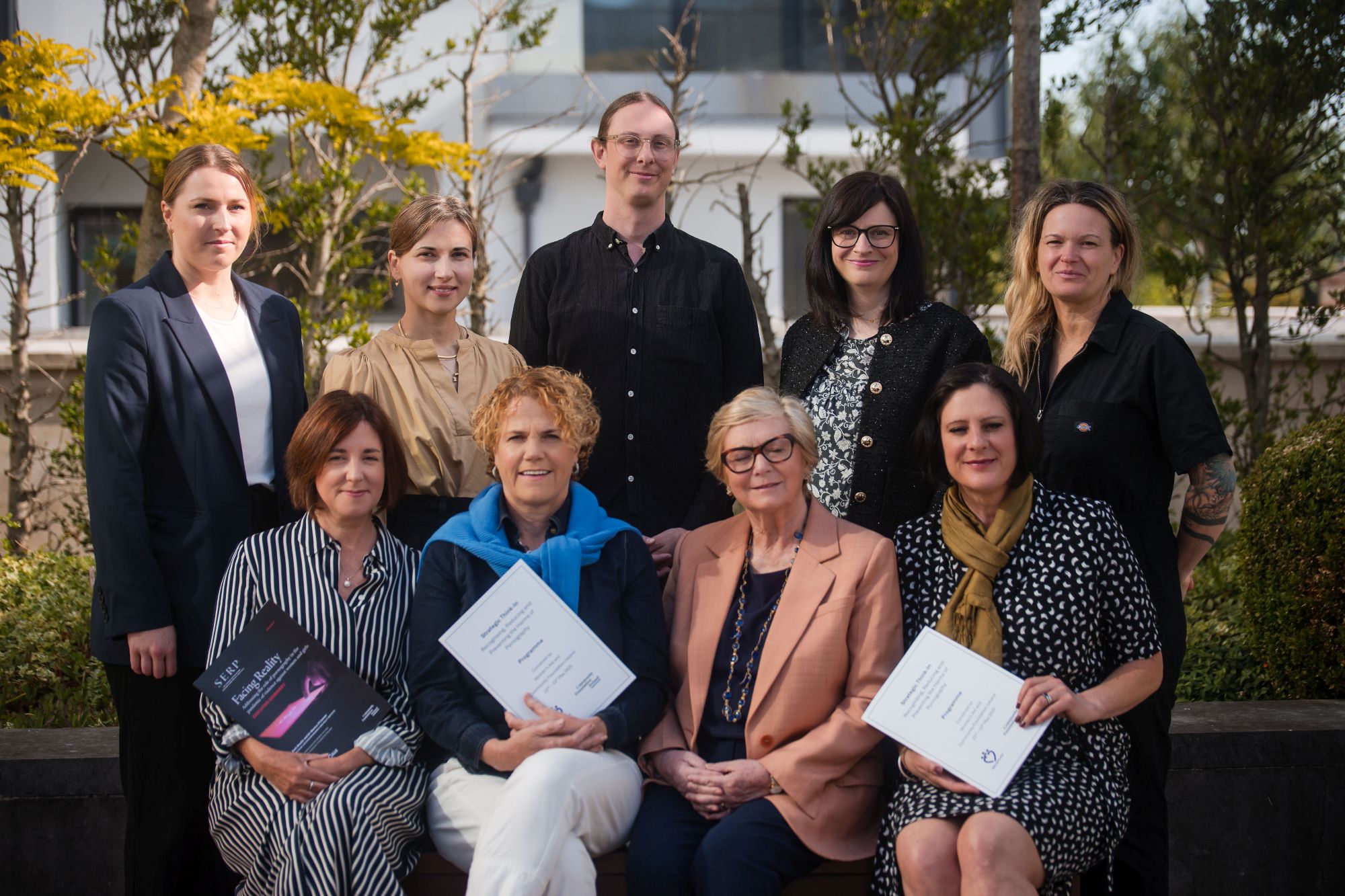
This was discussed at a strategic gathering by Women’s Aid and Community Foundation Ireland. The message was clear: ignoring the impact of pornography undermines efforts to achieve gender equality and normalises harmful and degrading behaviours.
The convention was organised in response to the recommendations in ‘Facing Reality: Addressing the Role of Pornography in the Pandemic of Violence against Women and Girls’ by the Sexual Exploitation Research and Policy Institute, commissioned by Women’s Aid and funded by CFI.
How pornography could normalise harmful behaviours
Research shows that much of today’s mainstream pornography depicts acts amounting to sexual violence. Content that would’ve been considered extreme has become normalised. Frontline workers report teenage girls and young women presenting with injuries, fear and confusion after partners imitate what they see online. Teachers, gardaí, doctors and domestic violence specialists warn that this behaviour is increasing because many are learning about intimacy from a billion-euro industry built on harmful stereotypes and misogyny.
Pornography is also part of the wider problem of online abuse within intimate relationships. Women’s Aid’s ‘Too Into You’ project educates young women about this abuse, such as location tracking, constant messaging and threatening to share private images. Image‑based sexual abuse and online harassment are becoming increasingly common tactics to coerce and control women.
Content that would’ve been considered extreme has become normalised.
Stronger action needed to address the harms of pornography
We need coordinated action now: stronger child‑protection measures with meaningful age‑verification systems; legislation to ban apps and AI tools that produce deepfakes; and effective regulation to ensure swift removal of images created or shared without consent. We need honest public dialogue and age-appropriate education to distinguish pornography from healthy sexual intimacy. We need robust regulation and accountability for industries that profit from sexual harm and online exploitation.
The online world is shaping our culture, relationships and expectations in ways that are causing real damage. If we fail to act, it will continue to shape our future.
