
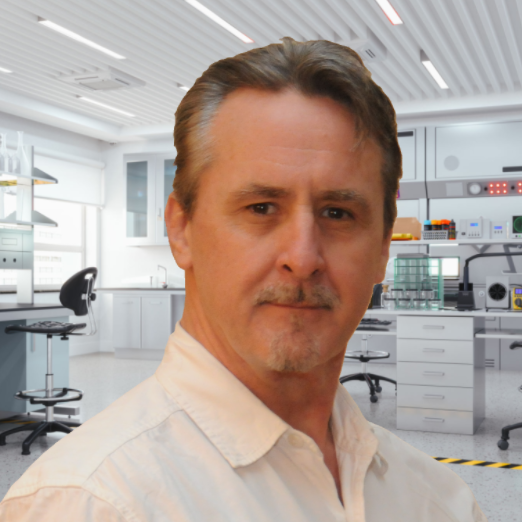
Paul Reid
CEO of Celtic Biotech

John Reid
Co-Founder of Celtic Biotech
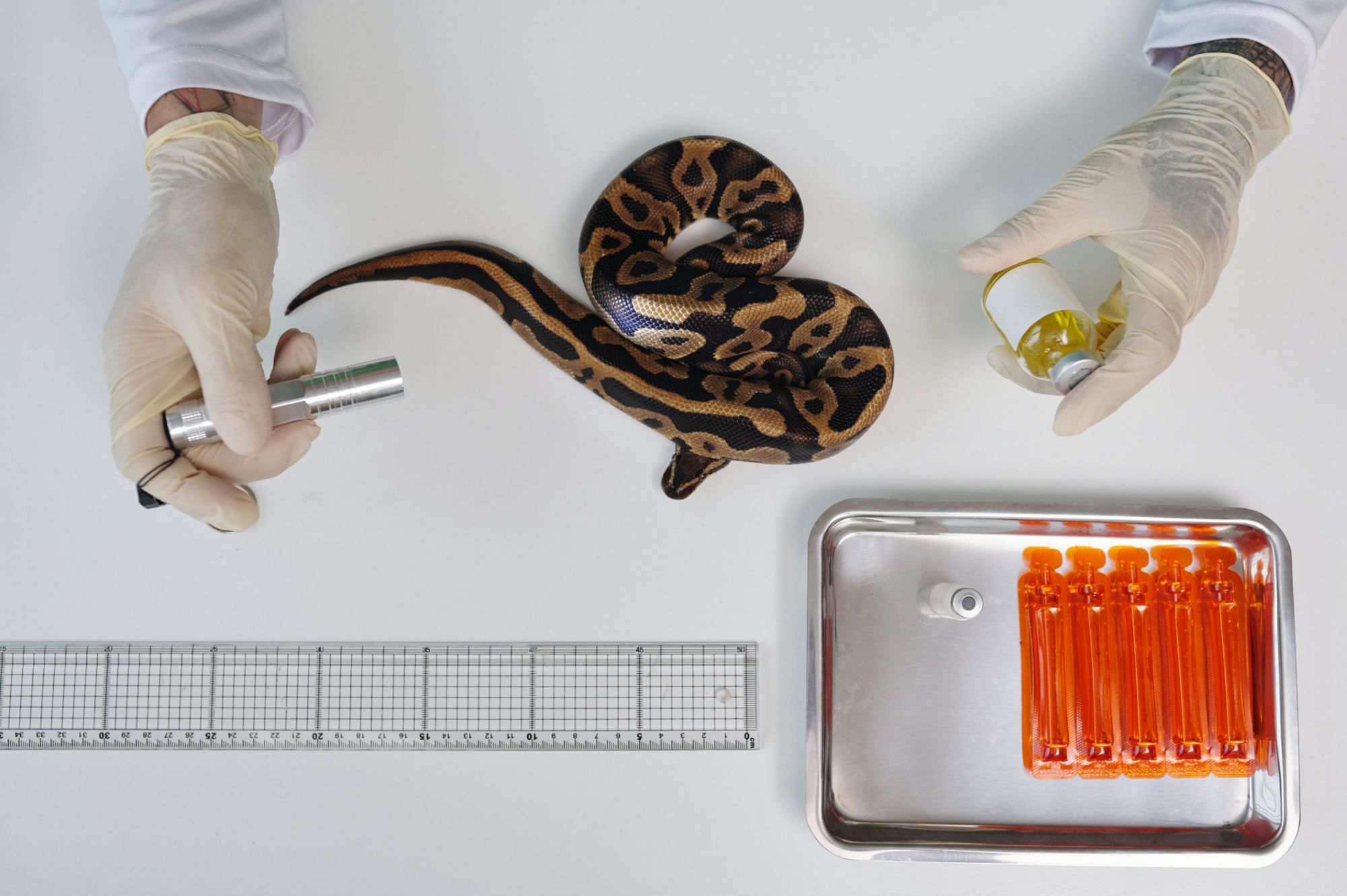
Irish biotech hopes to advance crotoxin, a protein in rattlesnake venom, for the treatment of cancer following results in early-phase clinical trials.
Research has long pointed to the therapeutic potential of snake venom, but associated stigma has blocked full clinical translation.One company hopes to advance its use, conducting research studies in terminal cancer.
The therapy under investigation, CB-24 (Crotoxin), contains two subunits: A and B. “Once injected into the body via infusion pump, the A subunit actively and selectively locates malignant cells, bypassing healthy tissue. Locking on, it releases its destructive B subunit, triggering cell death,” explains Paul Reid, scientist and Celtic Biotech CEO.
Family foundations and future outlook
Paul and John Reid had been looking for a potential therapy for a relative and a friend, who sadly both eventually succumbed to their cancers. Paul, the scientist behind CB-24, had harnessed existing research from a South American company to drive research efforts. Subsequently, a close friend of the brothers, with adult soft tissue sarcoma, was given little hope of survival. He undertook treatment with crotoxin and has now been cancer-free for 20 years. Following this, Celtic Biotech was formed, with early-phase trials funded by family and angel investors.
“It has been a long and difficult road to get to this point, but we are highly motivated,” explains John Reid. “We believe this could become an effective, easy-to-administer and easily tolerated treatment that will not adversely impact a patient’s quality of life.”
Research has long pointed to the therapeutic potential of snake venom,
but associated stigma has blocked full clinical translation.
Clinical progress and milestones
The therapeutic activity was confirmed by early studies from MD Anderson Cancer Center and the US National Cancer Institute, with ongoing Celtic research highlighting promising safety and preliminary efficacy in multiple solid tumours, including lung, brain, breast, prostate and ovarian cancer. Most recently, Celtic Biotech presented their Phase 1b clinical data at ESMO in Berlin.
“Phase Ia/Ib trials have demonstrated good safety and encouraging signs of activity, and Phase Ic trials with higher dosing are approved and planned for early 2026,” says Paul Reid. Another therapy in their product pipeline, sourced from cobra venom, is CB-6 (Cobramine). CB-6 exhibits anti-inflammatory properties and anti-metastatic activity. Academic institutes in France, the US, Brazil and China are contributing to their accumulation of scientific evidence.
Celtic Biotech is an Enterprise Ireland HPSU Client and an EU EIC Accelerator grantee.
