 Health News
World Heart Day 2026
-
Life after cardiac rehabilitation
For people living with cardiovascular disease, recovery doesn’t end when hospital treatment or cardiac rehabilitation finishes. Secondary prevention provides continued support to reduce future risk. While ‘primary prevention’ focuses on reducing a person’s risk of developing cardiovascular disease or having a heart attack or stroke, ‘secondary prevention’ focuses on reducing the risk of another event...
-

‘Don’t Miss a Beat’ urges decisive action to prevent causes of CVD
Causing about 20 million deaths a year or around one in three deaths globally, cardiovascular disease (CVD) remains the world’s leading cause of death.1 However, there’s hope, knowing that around 80% of CVD deaths are caused by preventable and manageable risk factors2 — with the right tools and access to care. So, can we properly...
-
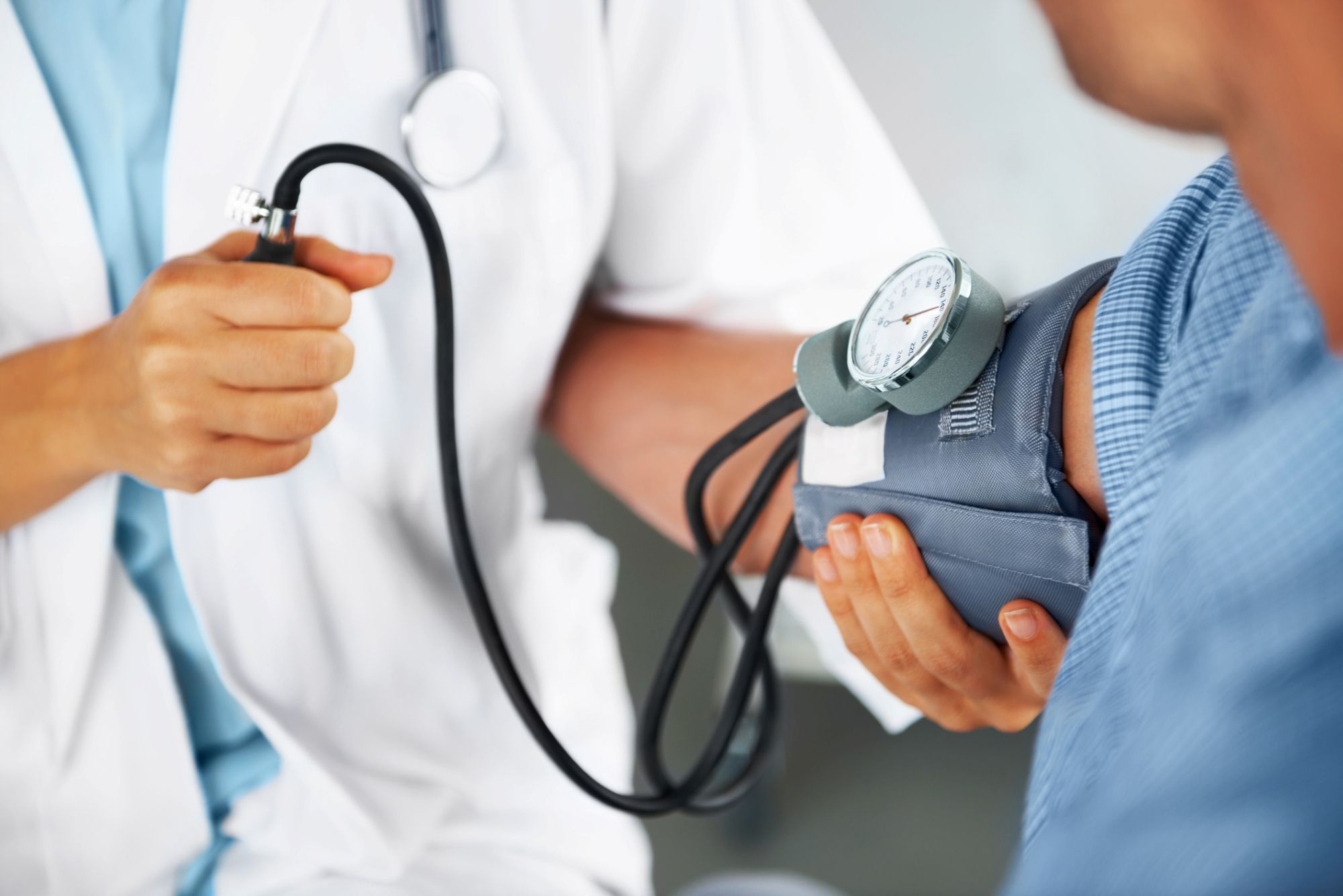
An ounce of prevention starts with knowing your pulse and blood pressure
Pay attention to your heart health before a serious event, like heart disease or stroke, occurs. Start by knowing your pulse and your blood pressure. For generations, preventing heart disease meant eating healthier, exercising, quitting smoking and maintaining a healthy weight. Those habits remain the foundation of good heart health. Today, prevention also means detecting...
-
s Sponsored
Rapid Access Chest Pain service celebrates 10 years of specialised care
The Rapid Access Chest Pain (RACP) service at University Hospital Limerick (UHL) is celebrating 10 years of providing specialised care to patients presenting with chest pain. The service is led by Clinical Nurse Specialists Amanda Casey and Angela Clancy, under the clinical governance of Consultant Cardiologist Dr Samer Arnous and is supported by our dedicated...
-
s Sponsored
Turning the tide on cardiovascular disease through screening, prevention and partnership
On World Heart Day and EU Screening Week 2026, it’s crucial for people to know their key health numbers to spot risks earlier and make lifestyle changes. Many people feel healthy but may still have silent risk factors, such as high blood pressure, high cholesterol or high blood sugar and increased weight. These can increase...
-
s Sponsored
Protecting Ireland’s hearts through kidney health
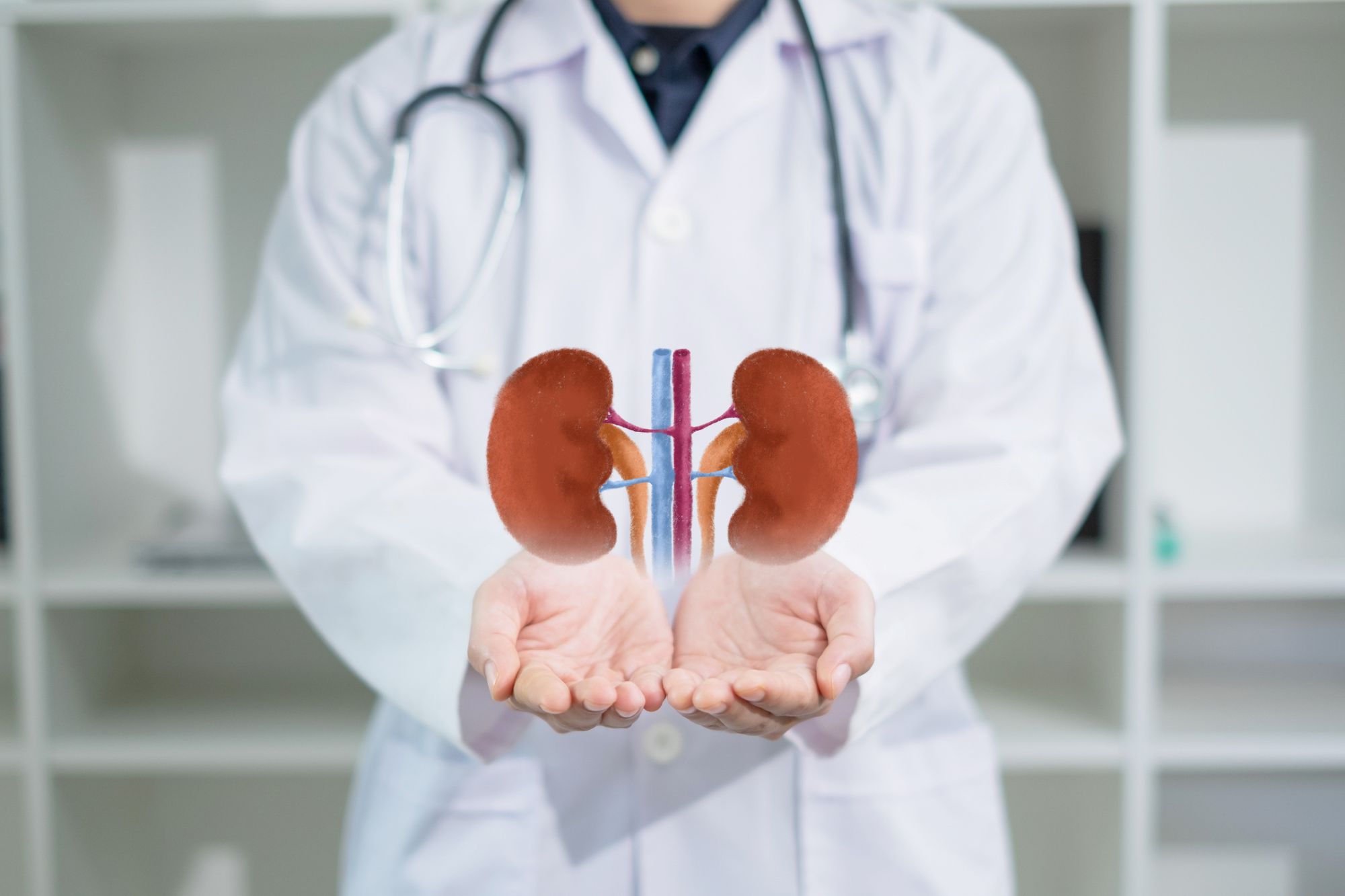
Your kidneys may reveal important clues about the health of your heart. This World Heart Day, Ireland has a timely opportunity to spot hidden risk earlier. You may not be aware of this, but the kidneys don’t only act as the body’s filtration system; they’re also linked to the health of our heart. So, it’s...
-
s Sponsored
Kidney and heart health should not be viewed in isolation
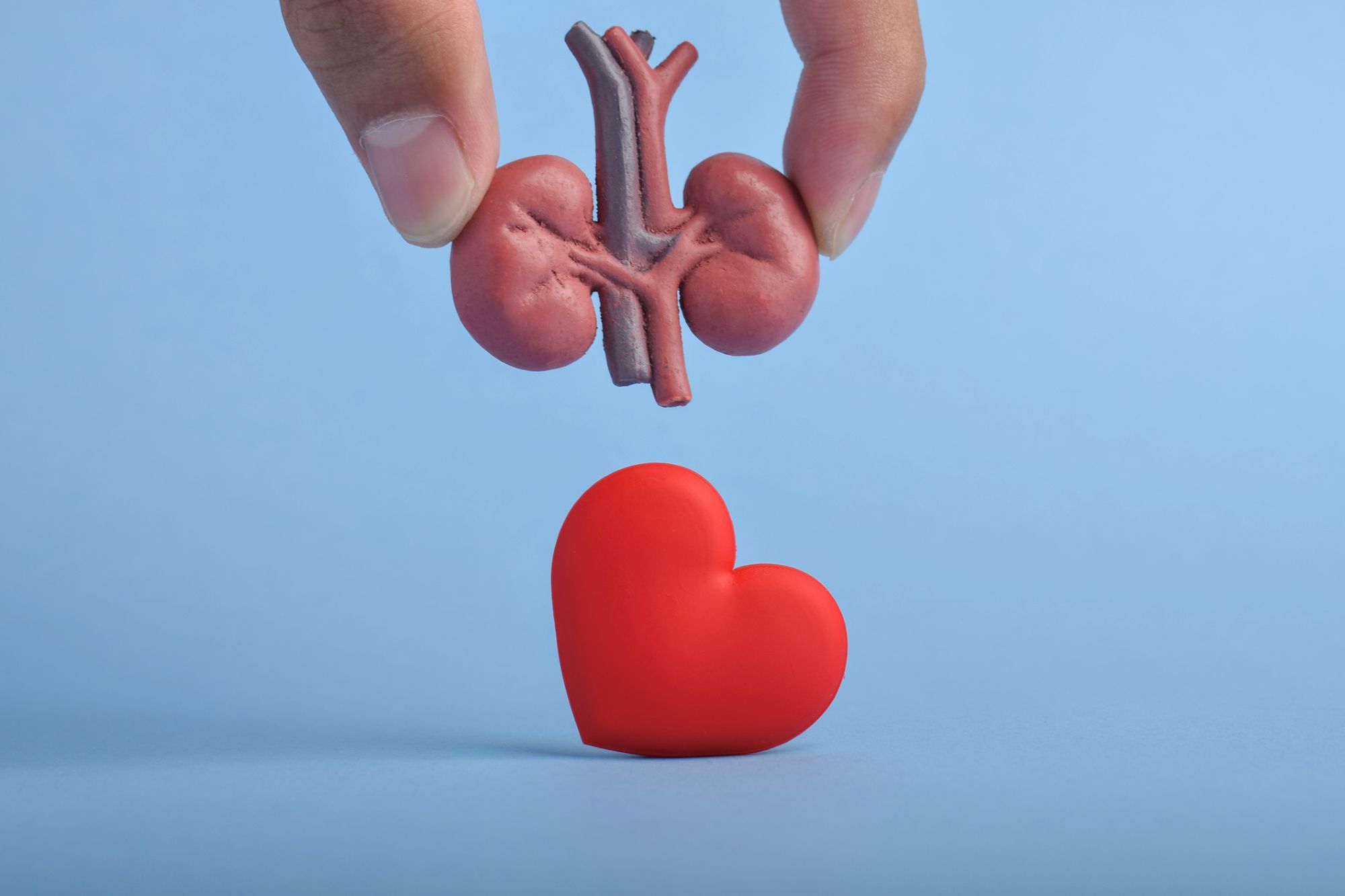
This article forms part of a disease awareness campaign commissioned and funded by Boehringer Ingelheim. Carol Moore and Janis Morrissey contributed their expertise to this content. The views expressed are their own. Heart and kidney issues should not be treated in silos. To improve chronic disease management, it’s crucial to join the dots and take...
-
s Sponsored
How simple tests can identify hidden risks of heart and kidney disease
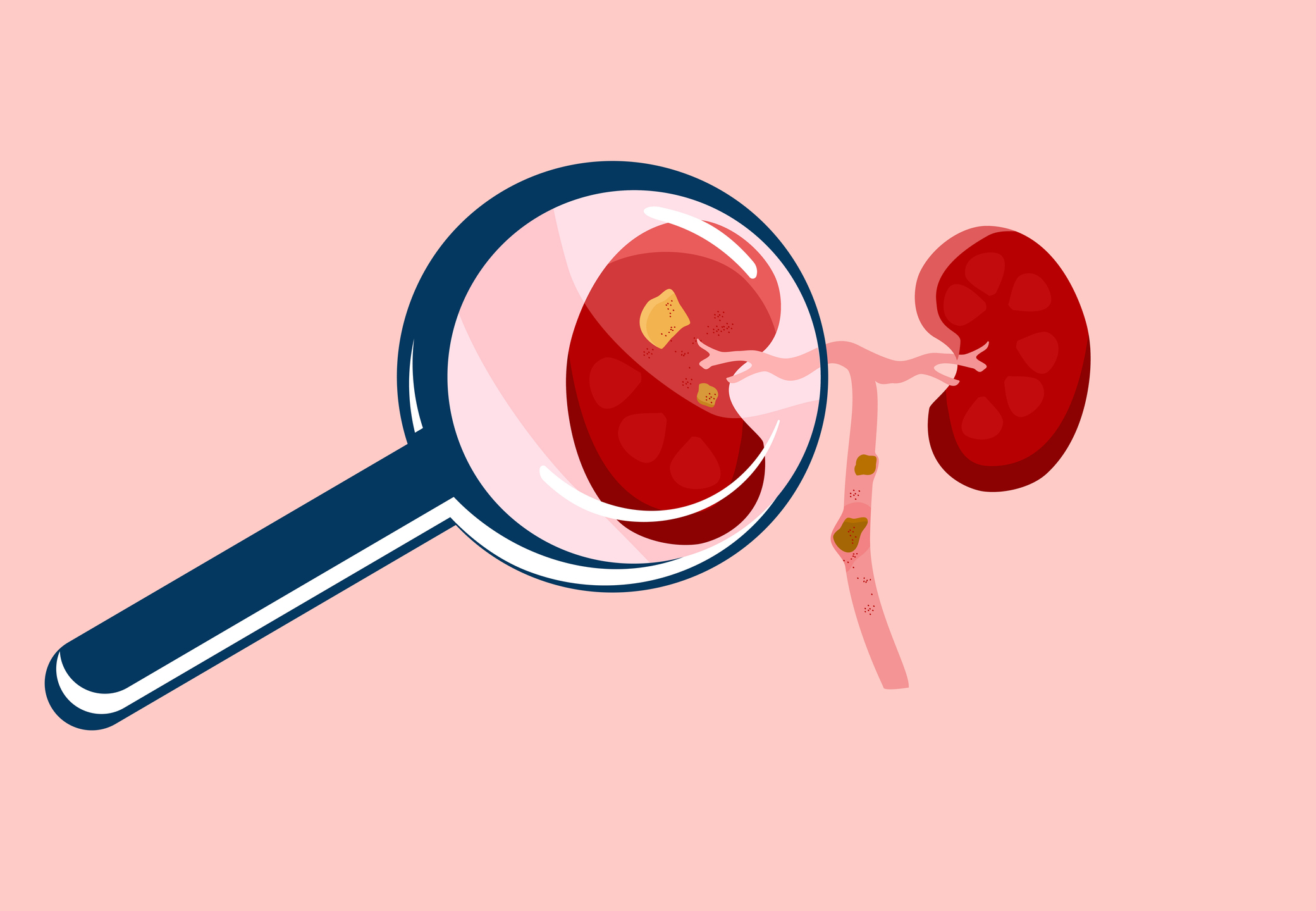
This article forms part of a disease awareness campaign commissioned and funded by Boehringer Ingelheim. Dr Matthew Barrett was compensated for his time and expertise in contributing to this content. The views expressed are his own. You can look and feel well but still be living with hidden heart and kidney risk. That’s why earlier...
-
s Sponsored
A vision for Ireland’s cardiovascular future: earlier action, better outcomes and a chance to lead in Europe
Cardiovascular disease does not begin when someone arrives at an emergency department with symptoms. It often begins years earlier through risk factors that could be identified, managed and, in many cases, prevented. Cardiovascular disease is Europe’s biggest disease burden. It claims 1.7 million lives annually, affects a further 60 million people, and costs the continent...
-

s Sponsored
A new generation of heart attack detection
Heart attack symptoms aren’t one-size-fits-all. High-sensitivity testing is closing the cardiac care gap. Differences in how heart attacks present, and whether they’re recognised, mean that some patients face additional challenges and delays in diagnosis. Women are 50% more likely to receive the wrong initial diagnosis when experiencing a heart attack.1 This is a reminder that...