

Janis Morrissey
Deputy CEO & Director of Services Irish Heart Foundation

Carol Moore
CEO, Irish Kidney Association
This article forms part of a disease awareness campaign commissioned and funded by Boehringer Ingelheim. Carol Moore and Janis Morrissey contributed their expertise to this content. The views expressed are their own.
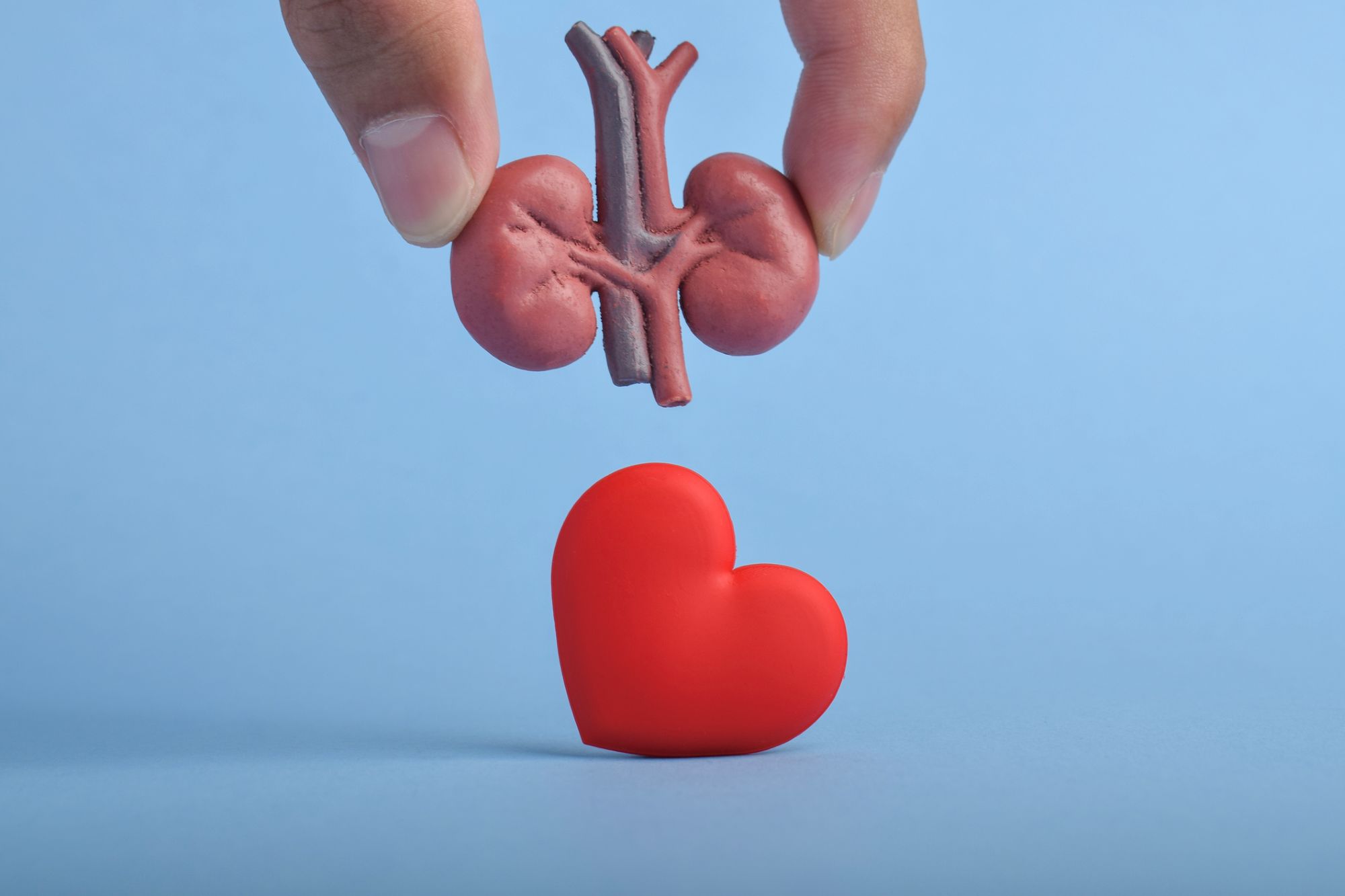
Heart and kidney issues should not be treated in silos. To improve chronic disease management, it’s crucial to join the dots and take an interconnected view of health.
If chronic kidney disease (CKD) is caught early enough, it can be treated effectively. That doesn’t just increase the probability of a better health outcome for your kidneys. It can also significantly lower your risk of developing heart problems.
Why early kidney disease testing is crucial
The trouble is you may not know you have CKD because it is often a hidden disease. So, early testing matters. “In its early stages, most people display no symptoms,” explains Carol Moore, CEO of the Irish Kidney Association. “If symptoms do appear, they’re not specific to late-stage kidney disease, so they can be mistaken for something else. We want to see doctors routinely offering a urine test called the urine albumin-to-creatinine ratio (uACR) and blood tests to at-risk patients, including the over-50s, those with high blood pressure, heart disease, obesity and type 2 diabetes. We also want to improve the health literacy of patients so that they will know what to ask for when they see their GPs.”
We mustn’t lose sight of the fact that kidney and heart disease impacts the lives of real people
That starts by understanding the heart disease, kidney disease and diabetes link, agrees Janis Morrissey, Deputy CEO and Director of Services of the Irish Heart Foundation, the national stroke and heart disease charity. “If your kidney function decreases, your blood pressure levels can increase – and that can cause heart disease and stroke. It’s why we work in partnership and collaboration with our sister charities, including our colleagues at the Irish Kidney Association on, for example, the importance of blood pressure awareness,” Morrissey adds.
Combined cardiovascular chronic kidney disease pathway
Unfortunately, chronic kidney disease and cardiovascular disease are too often viewed in silos by patients – but also by healthcare professionals. It’s crucial to join the dots, understand the common characteristics of multiple conditions and view them as part of one, big interconnected whole.
“For example, we need a combined cardiovascular chronic kidney disease pathway so that patients with kidney disease receive an automatic heart assessment,” says Moore. “It’s also important for healthcare professionals to recognise the link between these conditions because, if they are treated separately, medications may be prescribed that work in conflict with each other. However, a whole-person, integrated approach to healthcare and chronic disease management can improve patient quality and reduce healthcare costs. An important part of that is recognising that the heart-kidney relationship goes hand in hand.”
Improving individuals’ quality of life
We mustn’t lose sight of the fact that kidney and heart disease impacts the lives of real people, both physically and mentally, says Morrissey. Early diagnosis and an integrated approach to care will keep patients well and out of hospital and allow them to contribute to community and society for longer. “That will free up the time of doctors, nurses and other healthcare staff,” she says. “But, at an individual level, this is about improving personal quality of life.”
NP-IE-100930 | September 2026
