

Dr Matthew Barrett
Consultant cardiologist in St Vincent’s University Hospital and HSE Community Health Organisation 6 Integrated Care Lead with the Irish National Heart Office
This article forms part of a disease awareness campaign commissioned and funded by Boehringer Ingelheim. Dr Matthew Barrett was compensated for his time and expertise in contributing to this content. The views expressed are his own.
You can look and feel well but still be living with hidden heart and kidney risk. That’s why earlier conversations with healthcare providers and simple checks are so important.
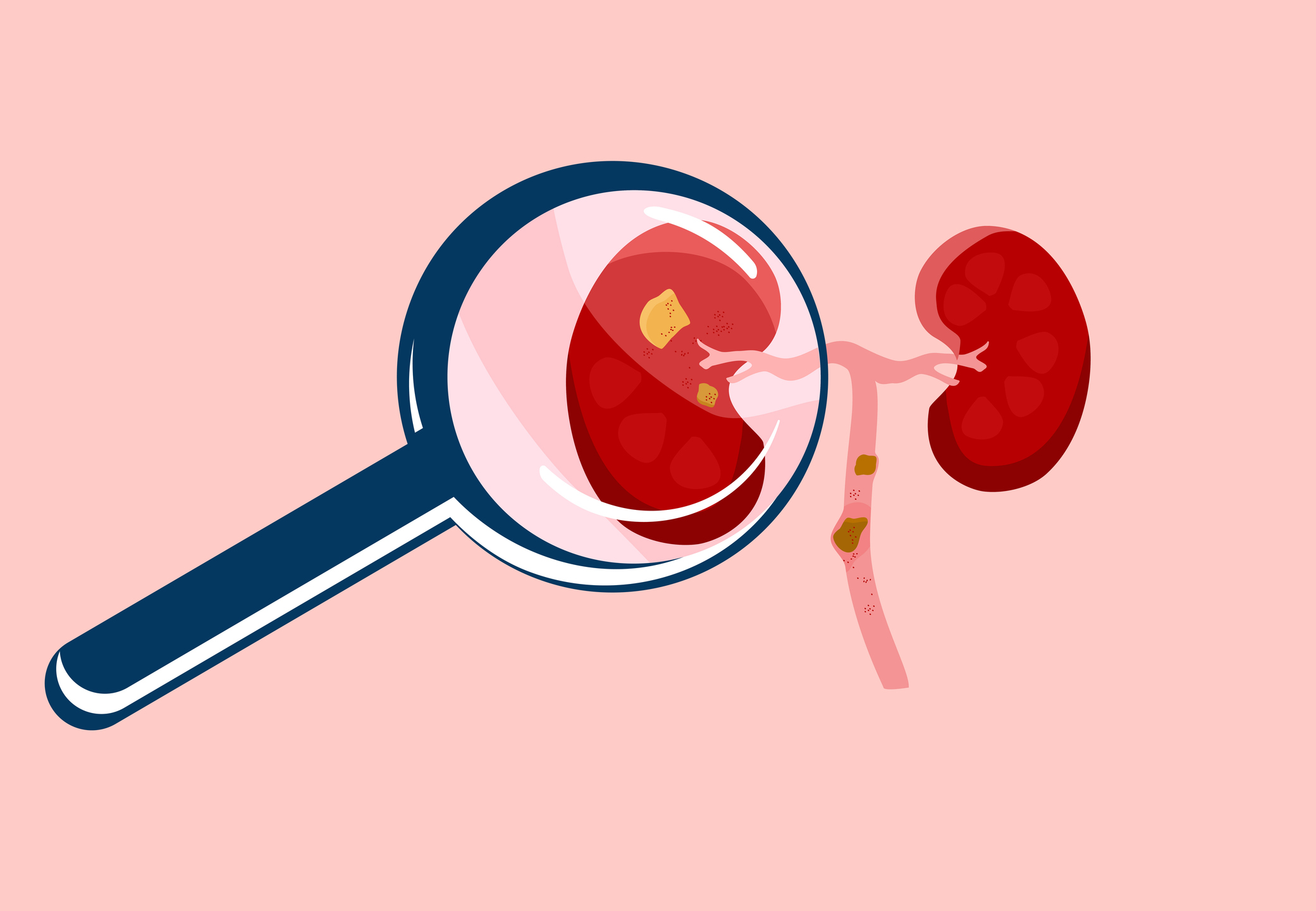
If you have concerns that you may be at risk of cardiovascular disease (CVD), chronic kidney disease (CKD) or diabetes, don’t wait. Understand that all these conditions are linked — and speak to a healthcare professional. Because the fact is, our heart and our kidneys rely on the same network of blood vessels, so a failure in one organ can often lead to complications in the other.
Heart and kidney health are interconnected
“If your heart isn’t working well, it may not be filtering blood through your kidneys properly, which can put them under pressure,” explains Dr Matthew Barrett, Cardiologist, St Vincent’s Hospital Healthcare Group. “Equally, if your kidneys aren’t filtering your blood properly, it can cause pressure to build up in your heart, making it work harder. It’s a two-way process.”
Cardiorenal metabolic conditions (CRM) such as high blood pressure, type 2 diabetes and obesity can damage blood vessels, putting you at particular risk of kidney damage and therefore heart problems. So, Dr Barrett’s advice is to get your blood pressure checked (easy to do at local community pharmacies) and, if you have any concerns, have an early conversation with your GP.
Research shows that albuminuria —
too much blood protein in the urine —
increases the risk of heart-related problems
Simple tests to check your kidney function and protect your heart
That’s especially important because, in its early stages, kidney disease progresses without symptoms. That means you can look and feel well but still be living with hidden heart and kidney risk.
Where appropriate, simple tests are available to check your kidney function, notes Dr Barrett. “Your GP may recommend that you have a blood test,” he says. “Crucially, you should also be offered a urine test called the urine albumin-to-creatinine ratio (uACR).” Research shows that albuminuria — too much blood protein in the urine — increases the risk of heart-related problems.
Thankfully, treatments are available for the issues that cause kidney damage, such as blood pressure and diabetes, says Dr Barrett. “We also have medications that protect the kidneys, and if an element of stress or damage is found, prevent it from progressing. It’s really changed our ability to treat kidney disease. Help is available. Talk to your GP, get treatment — and then follow up to make sure the medication is adequately controlling the condition.”
NP-IE-100913 | September 2026
