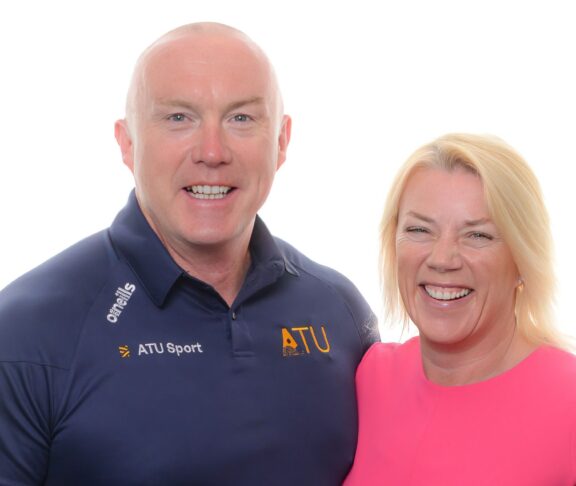

Dr Lisa Ryan
Head of School of Health, Sport Science and Nutrition at Atlantic Technological University, and Research Lead for Sport, Exercise and Nutrition. Co-founder, Irish Concussion Research Centre.
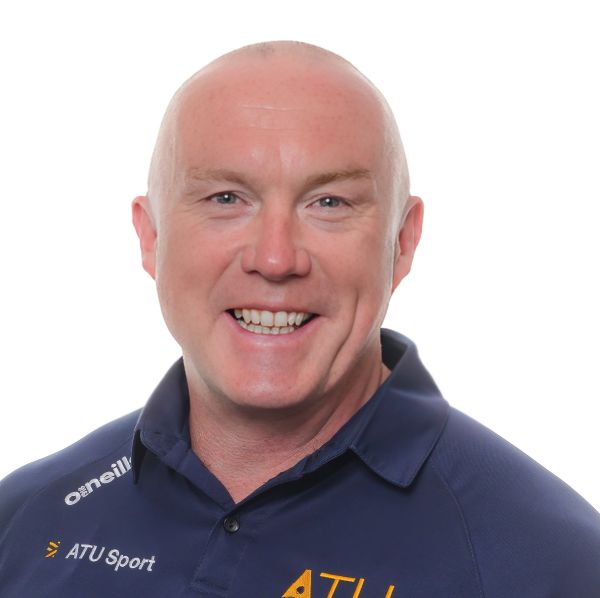
Dr Ed Daly
Lecturer, Atlantic Technological University, Ireland, Department of Sport, Exercise and Nutrition Science, and Principal Investigator, Irish Concussion Research Centre.
Concussion needs to be recognised as an injury. While a concussion may happen in seconds, its consequences can persist for months or years. Our healthcare system must reflect that reality.
“Concussion is not simply an acute event requiring short-term symptom management and return-to-play decisions,” says Dr Lisa Ryan, co-founder of the Irish Concussion Research Centre (ICRC) at Atlantic Technological University (ATU). “It is a complex, multi-system injury with potentially significant physical, cognitive, psychological, nutritional and family consequences.”
The ICRC is calling for a shift in how concussion is understood, particularly in sport. “Let’s stop using the word concussion and start talking about head injury,” says Dr Ryan. “It is an injury. If we don’t recognise it as such, we put pressure on players to get back to playing before they’re ready.”
Recovery needs to be holistic and personalised
While many people will recover well from a minor head injury, others are left struggling with persistent and sometimes poorly recognised symptoms, including changes in mood, sleep disturbance, light sensitivity and irritability. “There has long been inconsistent recognition of these persistent or less visible symptoms associated with head injury, and many people are left without the specialist, multidisciplinary support they need,” says Dr Ryan.
families struggle to have persistent or invisible symptoms recognised,
and may end up coordinating care themselves
In their recent multi-cohort study of 401 athletes with a history of concussion, 62.1% of athletes with a history of concussion reported at least one gastrointestinal symptom. “These symptoms are poorly represented in standard concussion assessment tools,” explains Dr Ed Daly, Principal Investigator. “GI assessment and access to nutrition advice where symptoms persist could be a valuable addition to management and recovery, and yet this is rarely considered.”
Evidence supports moving beyond isolated symptom management towards coordinated input across medicine, rehabilitation, psychology, nutrition, sleep, physical conditioning and cognitive recovery. “Recovery should be guided by individual need,” explains Daly. “Support must continue long after the initial assessment.”
Families left to fill in the gaps
Qualitative research carried out by the ICRC shows that families struggle to have persistent or invisible symptoms recognised, and may end up coordinating care themselves, advocating for referrals and managing risk without clear guidance on where to turn. Daly says: “Families feel lost and unheard, and are left begging for help in a fragmented care system where they have to become the experts.”
“The financial cost of accessing specialist head injury care can add further pressure,” says Dr Ryan. Far from discouraging people from playing sport, the ICRC advocates for a coordinated, patient- and family-centred system that supports recovery for as long as recovery requires. “We need a proper care pathway for head injury, so people know what recovery might look like, what symptoms to look out for and where to turn for support,” concludes Dr Ryan.
To find out more, go to: Irish Concussion Research Centre – Atlantic Technological University
