
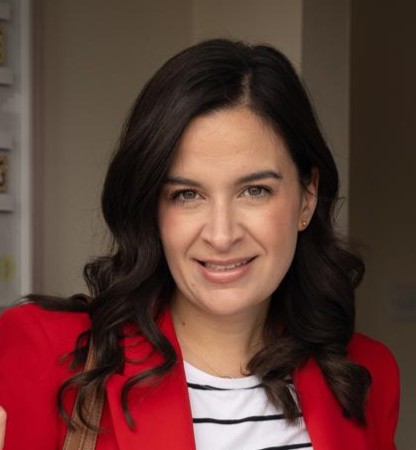
Laura Guckian
Founder Mind Mommy Coaching, Motherhood Coach and Maternal Mental Health Advocate.
Supporting children’s mental wellbeing begins with helping them to understand their emotions, but it must also include supporting their mothers.
As parents, we often have an internal desire to protect our children from everything, which can sometimes mean hiding our own emotions. Laura Guckian, a qualified and accredited Motherhood Coach, is passionate about educating on the importance of emotional honesty, a tool for building emotional awareness and resilience.
“I have always allowed my children to see my emotions. If I am sad, angry or excited, I explain why in a way they can understand,” explains Guckian. “I want them to understand that there are no ‘good’ or ‘bad’ emotions, and they are safe to express how they feel.”
Different brains have different needs
Understanding and accepting neurodiversity can help children to feel confident in expressing their needs. “My children are neurodivergent, as am I,” says Guckian. “I teach them that different brains experience the world differently, and there is nothing shameful about that.”
They are allowed to express their needs, ask for space and recognise when something feels overwhelming. “I want them to grow up understanding themselves, rather than believing they must hide parts of who they are to make other people comfortable.”
We place enormous responsibility on mothers to protect their children’s mental health,
often without asking who is protecting theirs
Supporting the whole family
With a network of resources built on the context of her own struggles with postpartum mental health, including Mind Mommy Coaching and the ‘Momfessions’ podcast, Guckian is dedicated to normalising the challenges of motherhood whilst supporting mothers to find their ‘village’.
“We place enormous responsibility on mothers to protect their children’s mental health, often without asking who is protecting theirs,” explains Guckian. “If we genuinely want children to thrive, we must support the whole family. Investing in maternal wellbeing is not separate from supporting children. It is one of the most important ways we can do it.”
In a society where information has never been more accessible, fostering honesty around the realities of motherhood is essential. Guckian encourages mothers to speak openly about how they feel and seek support when they need it, challenging the idea that they should navigate motherhood alone.
