
Mary McDonald
Patient Services Manager, Asthma Society of Ireland

Ruth Morrow
Respiratory Nurse Specialist, Asthma Society of Ireland
Hay fever and asthma in children are closely linked. Learn how pollen season affects symptoms and how parents can help.
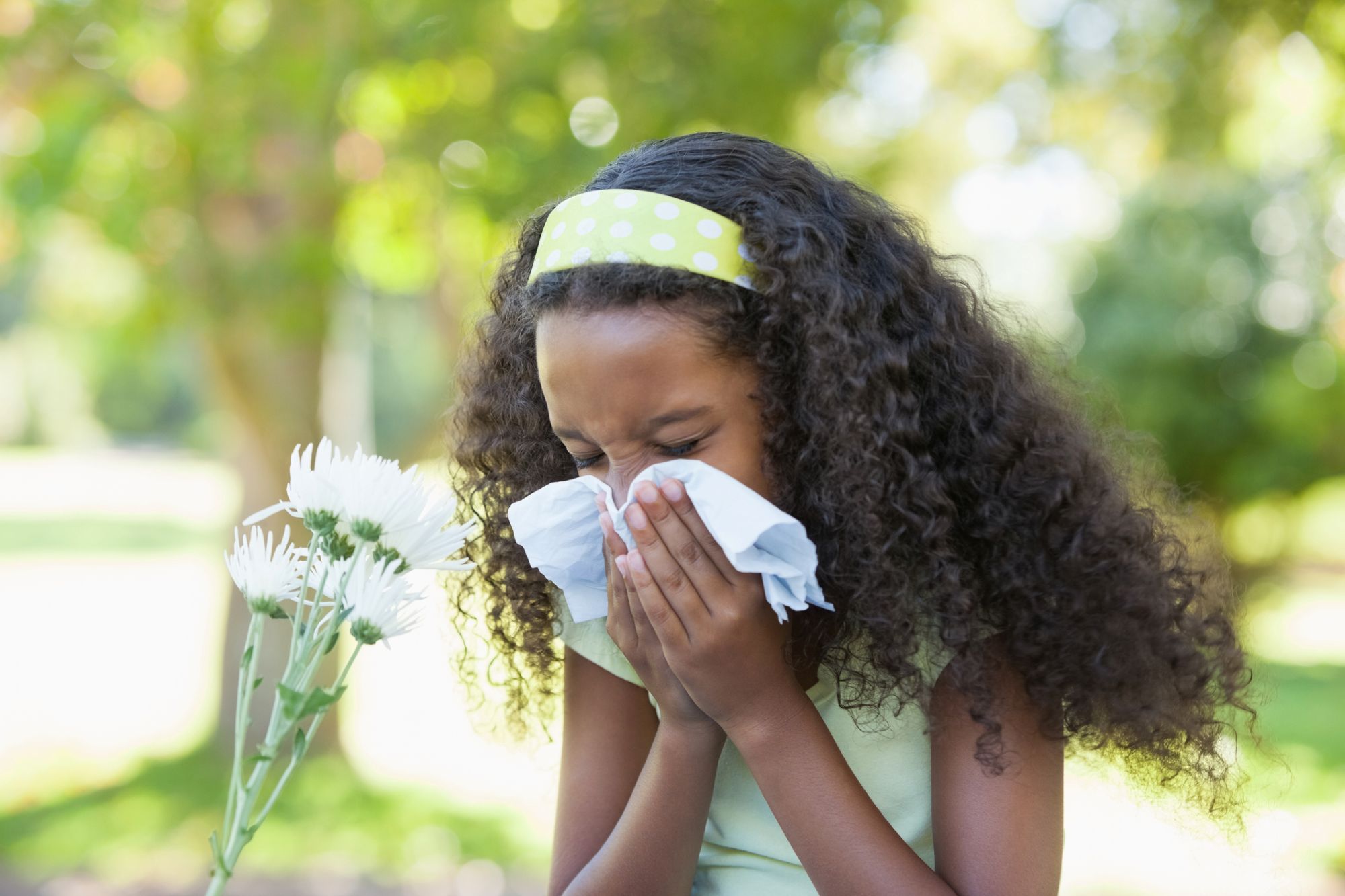
Hay fever (allergic rhinitis) is a common condition in Ireland, affecting around one in five people. For children with asthma, it’s particularly important to recognise and manage them, as they’re closely linked. In fact, more than 80% of people with asthma also experience hay fever, and untreated symptoms can trigger asthma flare-ups.
Hay fever occurs when the body reacts to allergens such as pollen. During the pollen season (which can start as early as February or March due to tree pollen and continue until late autumn), children may experience symptoms like sneezing, a blocked or runny nose, itchy eyes and fatigue. These symptoms can impact sleep, concentration and school performance, as well as making asthma more difficult to control.
“One airway”
The “one airway” concept helps explain this connection: the nose and lungs are part of the same respiratory system. When the upper airway (nose and sinuses) is inflamed, it can affect the lower airway (lungs), increasing the risk of asthma symptoms. Hence, international guidelines recommend managing asthma and hay fever together.
Hay fever can be effectively managed with medical treatment and simple lifestyle measures. Practical steps include keeping windows closed when pollen counts are high, showering after being outdoors and avoiding drying clothes outside during peak pollen periods.
Practical parent supports
For parents, planning ahead is key. The Asthma Society of Ireland provides a three-day pollen forecast on asthma.ie, helping families anticipate high pollen days and adjust activities accordingly. The Society also offers resources, including its Asthma & Allergic Rhinitis booklet and practical tips for managing symptoms.
When the upper airway (nose and sinuses) is inflamed,
it can affect the lower airway (lungs),
increasing the risk of asthma symptoms
If you have concerns about your child’s asthma or hay fever, expert support is available. The Asthma Society’s FREE Asthma Adviceline (1800 44 54 64) and nurse-led WhatsApp messaging service (086 059 0132) connects you with specialist nurses who can provide personalised advice and reassurance.
With the right information, support and early action, children with asthma and hay fever can stay well, active and in control throughout the pollen season.
